
types of laminated glass
Understanding Knife Gate Valve Manufacturers Knife gate valves have become a crucial component in various industrial applications, especially in the handling of slurries, wastewater, and other fluids that require a reliable shut-off mechanism. Unlike traditional gate valves, knife gate valves are designed with a sharp, blade-like gate that can cut through thick liquids, providing a tight seal to prevent leakage. The efficiency and robustness of these valves make them essential in sectors such as mining, water treatment, and chemical processing. When discussing knife gate valve manufacturers, several key factors come into play. The first aspect to consider is the quality of materials used in manufacturing . Leading manufacturers typically use high-quality stainless steel, cast iron, or other resilient materials to ensure durability and resistance to corrosion. This is particularly important when these valves are employed in harsh environments or when dealing with abrasive materials. Another crucial element is the design and engineering capabilities of the manufacturer. Quality knife gate valves should offer features such as self-cleaning mechanisms and easy maintenance access. Manufacturers that invest in advanced design and production technologies often lead the market. They pay attention to industry standards, ensuring that their products meet regulatory requirements and performance benchmarks. knife gate valve manufacturers Moreover, customer service and technical support are vital considerations when selecting a manufacturer. Reputable manufacturers often provide comprehensive support, including installation guidance, troubleshooting, and maintenance services. This helps ensure that the valves perform optimally throughout their service life, reducing downtime and maintenance costs for users. Furthermore, manufacturers continually innovate to enhance the performance of knife gate valves. This includes the development of automated systems that integrate seamlessly with existing infrastructure, allowing for remote operation and monitoring. Such advancements contribute to operational efficiency and safety, especially in processes requiring precise control over fluid flow. Lastly, cost competitiveness plays a significant role in the selection of knife gate valve manufacturers. While quality and innovation are paramount, companies also look for manufacturers that offer a balance between cost and performance. A good manufacturer should provide a range of products at various price points, catering to different budgets and requirements. In conclusion, when choosing knife gate valve manufacturers, it's essential to consider material quality, design capability, customer support, innovation, and cost. These elements combined will ensure a reliable and efficient solution for various industrial applications.
about
types of laminated glass
Replacing a Water Valve A Step-by-Step Guide Water valves are essential components in your home's plumbing system, controlling the flow of water to various fixtures and appliances. Over time, these valves can wear out, leak, or become damaged, necessitating replacement to ensure the efficiency and safety of your plumbing. Here, we provide a comprehensive guide on replacing a water valve, including the different types of valves, tools required, and step-by-step instructions. Types of Water Valves Before diving into the replacement process, it’s essential to understand the various types of water valves you might encounter 1. Gate Valve Typically used for on/off control, gate valves enable full flow when fully open but are not ideal for throttling. 2. Ball Valve Known for its durability and excellent sealing properties, a ball valve is either fully open or fully closed, providing reliable performance. 3. Globe Valve Used for regulating flow, globe valves offer better throttling capabilities compared to gate or ball valves. 4. Angle Valve Commonly used for water supply to fixtures, angle valves allow for more compact arrangements. Tools and Materials Needed To replace a water valve, gather the following tools and materials - Adjustable wrench - Pipe wrench - Screwdriver (flathead and Phillips) - New water valve (matching the type and size of the old one) - Plumber’s tape - Bucket or towels (to catch any residual water) Step-by-Step Instructions 1. Turn Off the Water Supply Locate the main water shutoff valve and turn it off. If applicable, shut off the water supply to the specific fixture or area where the valve is located. replacing water valve 2. Drain the Pipes Open a faucet near the valve you’re replacing to release any residual pressure in the system. This step will also help drain any water left in the pipes. 3. Remove the Old Valve Use an adjustable wrench or a pipe wrench to loosen the fittings on both sides of the valve. Carefully detach the valve from the piping. Be cautious, as residual water may spill out. 4. Clean the Pipe Threads Once the old valve is removed, check the ends of the pipes for any old plumber’s tape or debris. Clean the threads to ensure a good seal with the new valve. 5. Install the New Valve Apply plumber's tape to the threads of the pipe to ensure a watertight seal. Position the new valve in line with the existing pipes, making sure the flow direction matches the old valve. Hand-tighten the fittings before using a wrench to secure them. 6. Reconnect and Tighten Carefully tighten the fittings with your wrench. Ensure not to overtighten, as this could damage the threads or the valve itself. 7. Turn On the Water Supply Slowly turn on the main water supply or the specific valve you shut off earlier. Check for leaks around the newly installed valve. If you notice any dripping, turn off the water and check the fittings for tightness. 8. Test the Valve Open and close the newly installed valve a few times to ensure it operates properly. Monitor for any leakage during and after the testing process. Conclusion Replacing a water valve may seem intimidating, but with the right tools and careful attention to detail, it can be a manageable DIY project. Understanding the types of valves and their functions will help you make informed decisions during the replacement process. Regular maintenance and timely replacement of plumbing parts can save you from more significant issues down the line, such as water damage or costly repairs. Always remember to prioritize safety, and when in doubt, don’t hesitate to consult with a professional plumber.
-

High quality industrial productsagement

High quality industrial products
View Details -

Meet the diverse needs of customers

Meet the diverse needs of customers
View Details -

Strict quality control

Strict quality control
View Details -

Top raw materials

Top raw materials
View Details -

Trusted supplier

Trusted supplier
View Details
Our application


news and information
what is a smart water valve
What is a Smart Water Valve? In the era of smart home technology, many homeowners are looking for in
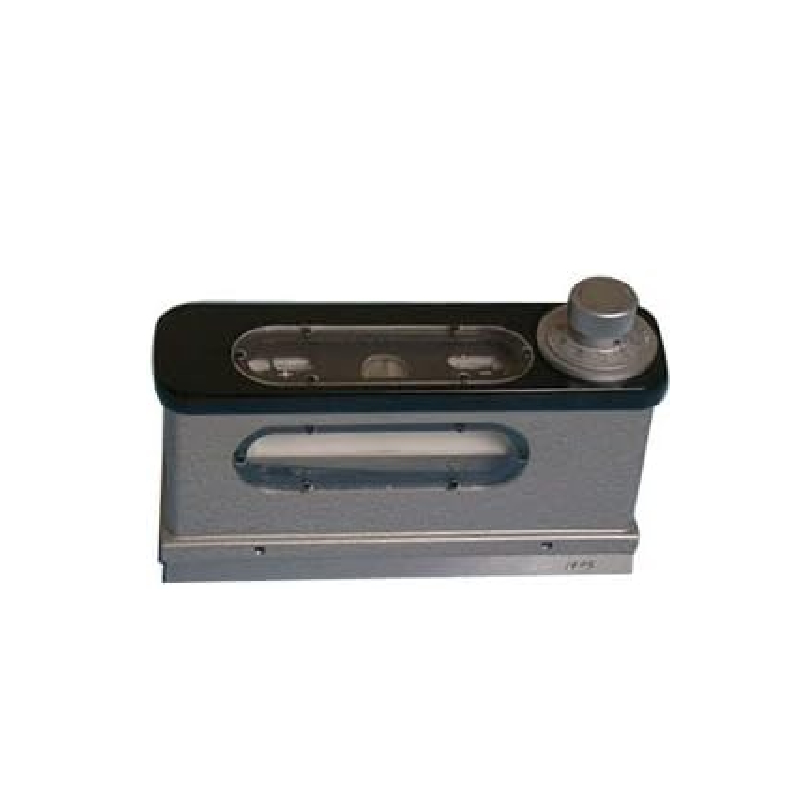
v block made of
Understanding V-Block Made Of A Fundamental Tool in Manufacturing In the world of manufacturing and
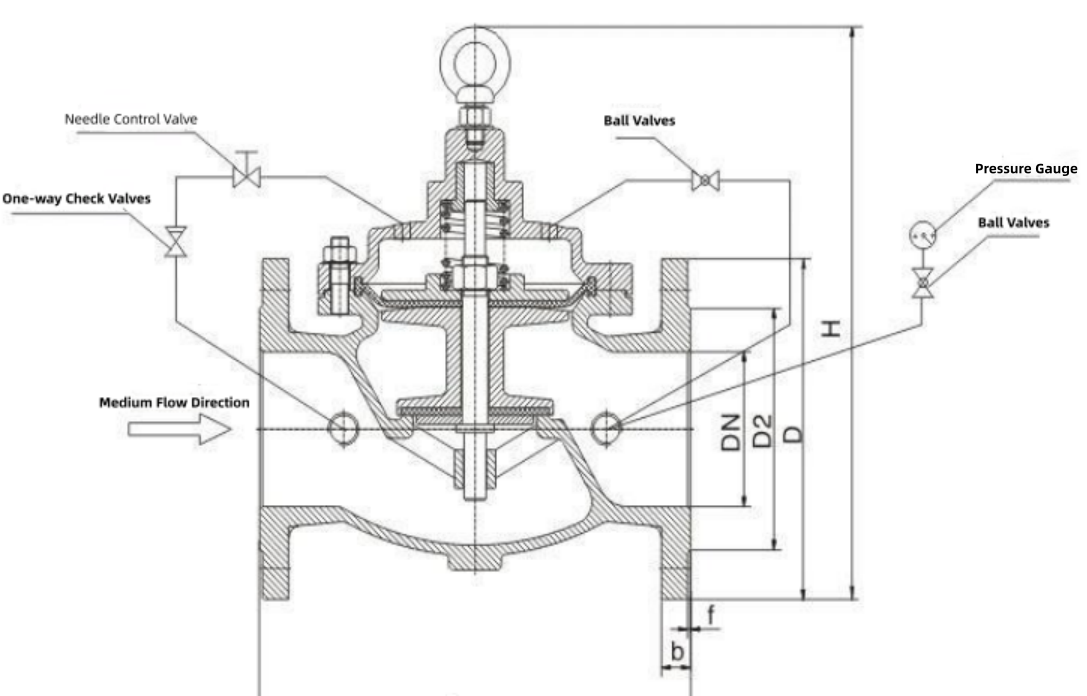
Valve's Influence in the Chinese Market and Its Future Prospects
The Influence of Valve China on the Global Valve Industry In recent years, China has emerged as a ce
 English